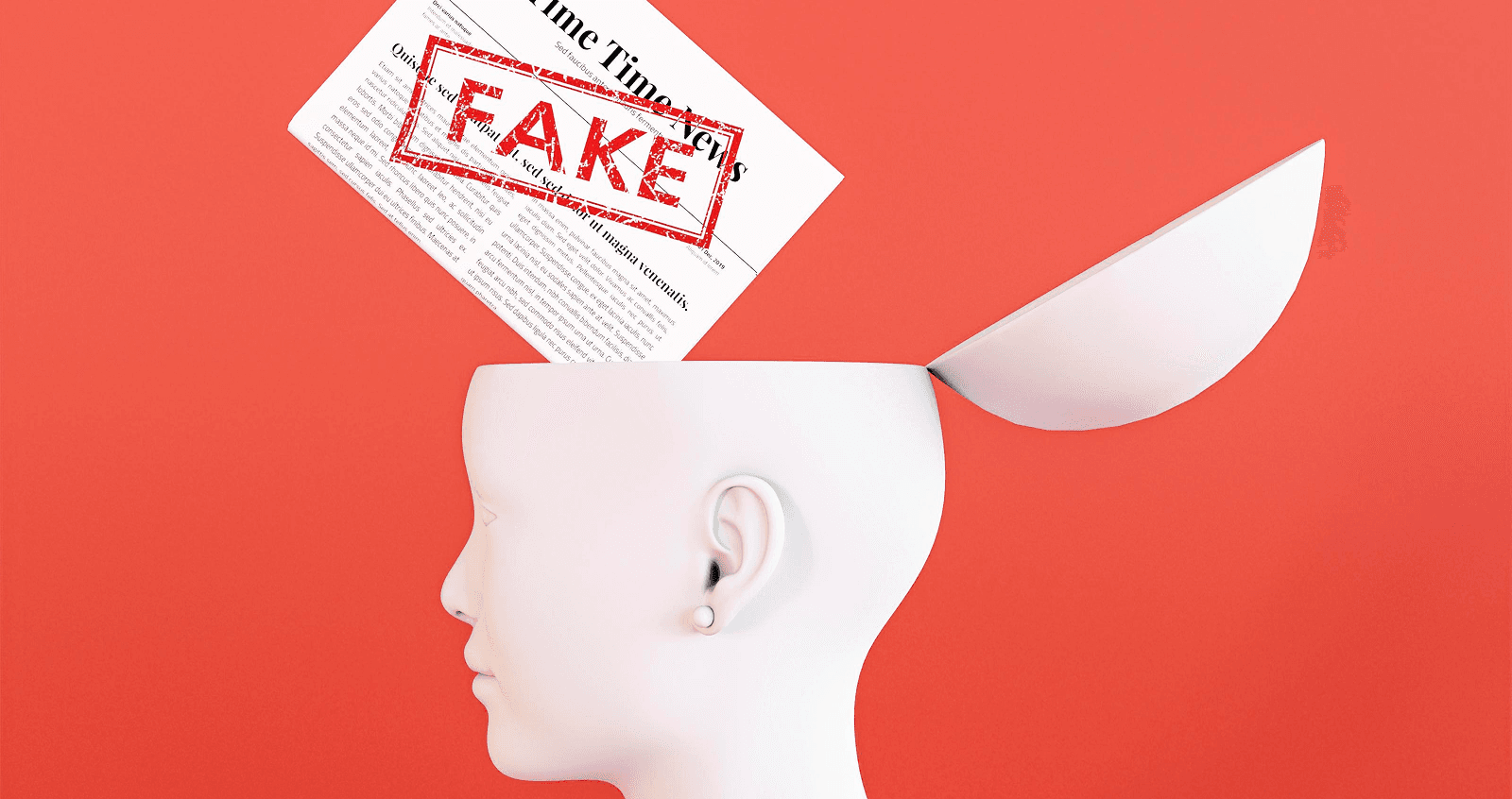
10 Logical Fallacies You’ll Learn in Spot The Fallacy (and How to Use Them in Real Life)

Introduction: When Logic Gets Twisted
We all like to believe we think logically—until we don’t.
Every day, we scroll through arguments, debates, and “facts” that sound convincing but fall apart under scrutiny. That’s where Spot The Fallacy, a logic puzzle app on iOS, turns everyday misinformation into a game of reason.
The app challenges you to identify logical fallacies—subtle errors in reasoning that make weak arguments look strong. By learning to recognize these traps, you not only sharpen your puzzle-solving mind but also strengthen how you think, argue, and make decisions.
Let’s walk through 10 logical fallacies you’ll encounter in the game—and how spotting them helps you navigate real-world conversations with sharper reasoning.
1. Strawman Fallacy: The Art of Misrepresentation
Example from life:
Person A: “We should improve public transport.”
Person B: “So you want to ban all cars?”
The strawman fallacy twists someone’s statement into an exaggerated version that’s easier to attack. In Spot The Fallacy, you’ll often see this play out in short dialogues that seem logical until you spot the deliberate distortion.
Learning to identify it trains your mind to listen precisely—a skill crucial in debates, relationships, and even workplace discussions.
2. Ad Hominem: Attack the Person, Not the Idea
Instead of tackling the argument, the ad hominem fallacy targets the person making it.
“You can’t trust her opinion on climate change—she’s not a scientist.”
In puzzles, this fallacy often appears disguised as emotional reasoning. Recognizing it teaches you emotional discipline—to separate who says something from what’s being said.
3. False Dilemma: When Choices Are Forced
“You’re either with us or against us.”
A false dilemma limits you to two extreme choices, ignoring the nuanced middle. The app often uses this fallacy to test your ability to recognize missing alternatives.
In daily life, it’s the difference between black-and-white thinking and balanced judgment. Once you see how this fallacy works, it becomes easier to find middle ground in real decisions.
4. Slippery Slope: The Domino Effect That Isn’t
“If we allow remote work, no one will ever come to the office again.”
The slippery slope fallacy assumes that one action will inevitably lead to catastrophic consequences. In the app, it’s often wrapped in urgency or fear.
Spotting it helps you question exaggerated cause-effect claims—an essential skill in the age of clickbait and alarmist headlines.
5. Appeal to Authority: Because an Expert Said So
“This supplement must work—my favorite athlete uses it.”
Authority can be persuasive, but not always reliable. Spot The Fallacy includes scenarios where an “expert opinion” hides weak logic.
By identifying this fallacy, you learn to respect expertise without surrendering critical thinking. In real life, it helps you evaluate claims on merit, not fame.
6. Bandwagon Fallacy: Everyone’s Doing It
“Millions of people believe this, so it must be true.”
This fallacy plays on our social instincts. In the game, you’ll see arguments supported by “popularity” rather than evidence.
Recognizing it builds intellectual independence—an underrated strength in a world where opinions spread faster than facts.
7. Post Hoc Fallacy: Mistaking Correlation for Causation
“I wore my lucky shirt and won the game—clearly, it worked.”
A classic cognitive bias, post hoc ergo propter hoc assumes that if B follows A, then A caused B. The puzzles in Spot The Fallacy turn this into clever mini-stories, prompting you to test causal reasoning.
In life, this awareness helps you separate coincidence from cause—critical for decisions in business, science, and even relationships.
8. Appeal to Emotion: Logic Wrapped in Feelings
“If you cared about children, you’d support this policy.”
Emotion can be a powerful persuasive tool, but when used to replace evidence, it becomes manipulation.
The app’s fallacy puzzles often tempt you with emotionally charged options—training your rational side to hold steady when your heart wants to jump in first.
9. Hasty Generalization: The Danger of Small Samples
“My neighbor’s rude, so everyone from that city must be unfriendly.”
This fallacy jumps from one or two examples to sweeping conclusions. Within the game, spotting it requires paying attention to sample size—how many examples justify a conclusion?
In real life, avoiding hasty generalizations keeps you from stereotyping people, products, or ideas based on limited data.
10. Circular Reasoning: Going Nowhere, Convincingly
“The law is just because it’s the law.”
Circular reasoning uses a claim as its own proof. It sounds polished, but it never moves forward.
In Spot The Fallacy, these puzzles teach you to detect arguments that seem airtight but don’t actually prove anything.
Once you see this pattern, you’ll recognize it everywhere—from political debates to casual office discussions.
The Psychology Behind Spotting Fallacies
The brilliance of Spot The Fallacy isn’t just in its content—it’s in how it rewires your brain.
Each puzzle activates cognitive processes like pattern recognition, error detection, and probabilistic reasoning. Over time, your brain becomes faster at filtering noise, evaluating claims, and identifying manipulation techniques.
Cognitive researchers call this metacognition—thinking about your own thinking. The app transforms that abstract idea into an interactive skill-building experience.
The difference between “playing” and “learning” blurs. What starts as curiosity becomes habit.
From Game to Everyday Thinking
Once you begin identifying fallacies in the game, you’ll spot them in real conversations:
In news headlines that use fear or popularity as logic.
In workplace pitches that rely on false dilemmas.
Even in your own reasoning, when you realize an assumption isn’t based on evidence.
That awareness is the foundation of critical thinking. You don’t just win puzzles—you win back your ability to reason clearly in a noisy world.
Building Better Thinkers, One Puzzle at a Time
Spot The Fallacy isn’t about proving who’s the smartest. It’s about curiosity—the joy of recognizing how arguments work, how persuasion shapes thought, and how logic can be both playful and profound.
Each level blends reasoning with storytelling, letting you learn fallacies through real-life dialogue instead of dry definitions. That’s what makes the experience sticky—you feel the logic rather than memorize it.
If you enjoy brain puzzles that test not just memory but judgment, you’ll find this app both entertaining and strangely addictive.
Final Thoughts: Make Thinking a Daily Habit
The modern world rewards speed—fast takes, quick replies, instant opinions. But good reasoning takes pause.
Games like Spot The Fallacy remind us that slowing down to think isn’t weakness; it’s mastery.
Each puzzle is a mirror reflecting how we reason, argue, and sometimes fool ourselves. By practicing logic in play, you build resilience in thought—a quiet strength that shows up everywhere else in life.
Try the app today on iOS and let your next puzzle be a step toward sharper, more deliberate thinking.