How Famous Figures Like Joe Rogan and Trump Use Logical Fallacies to Win Arguments
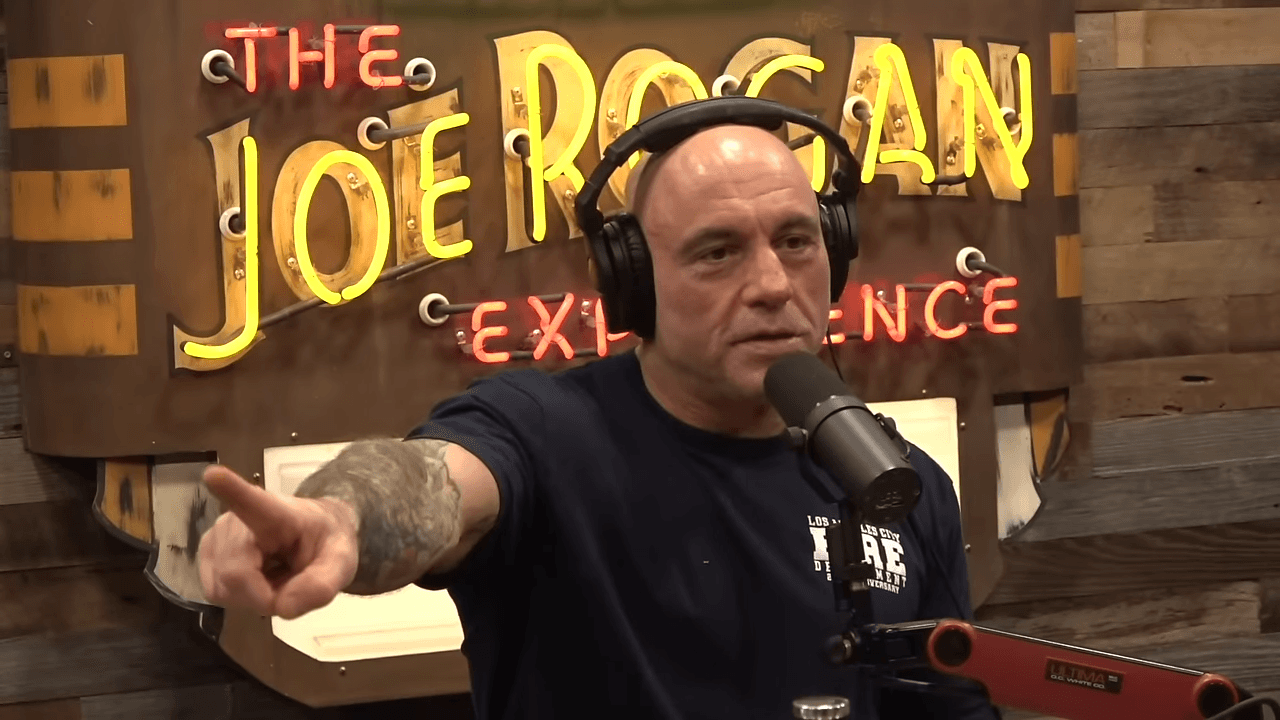
In public debates, interviews, or podcasts, persuasive speakers often sound confident, spontaneous, and “real.” But beneath the charisma and quick wit often lies something less flattering — logical fallacies. These are errors in reasoning that make arguments sound convincing while quietly undermining logic itself.
What’s fascinating is that some of the most influential voices — from Joe Rogan to Donald Trump — rely on these fallacies not because they’re foolish, but because fallacies work. They appeal to emotion, identity, and bias — the shortcuts our brains take when we want to believe something rather than examine it.
Let’s break down how this happens.
1. Joe Rogan: The “Just Asking Questions” Fallacy
Joe Rogan’s podcasts often feel like open-ended conversations — casual, unfiltered, and exploratory. That’s part of his charm. But this format also gives space for a subtle fallacy known as “argument by question” or the Socratic fallacy, where the speaker avoids taking responsibility for claims by wrapping them in innocent questions.
For instance, Rogan might say things like:
“I’m not saying the moon landing was fake, but isn’t it weird how…”
This seems harmless. But it plants doubt without evidence — a classic appeal to ignorance. The burden of proof shifts from the person making the claim to everyone else to disprove it.
When repeated often enough, “just asking questions” becomes a powerful narrative device. It suggests there’s a hidden truth, a conspiracy that others are blind to. It’s persuasive precisely because it doesn’t sound like persuasion — it sounds like curiosity.
2. Donald Trump: The Master of Ad Hominem and False Cause
Donald Trump’s communication style is a goldmine for rhetorical analysis. He rarely argues through evidence — he argues through dominance. His go-to techniques:
Ad hominem attacks (“Crooked Hillary,” “Sleepy Joe”)
False cause (“When I came, everything was a disaster. Now it’s the best it’s ever been.”)
Appeal to popularity (“Everyone agrees,” “People are saying”)
Each of these replaces logic with emotion. Calling someone names doesn’t prove they’re wrong — but it shifts the audience’s focus. Claiming credit for good outcomes (“the economy is booming because of me”) without causation creates post hoc reasoning — the idea that because one thing followed another, it must have caused it.
It’s effective because humans are storytelling creatures. We like simple cause-and-effect tales, and Trump provides them in abundance.
3. The Celebrity Effect: Authority and False Equivalence
Influencers, politicians, and public figures all benefit from authority bias — the assumption that if someone successful or famous says something, it must be true.
When Rogan talks about health, his audience listens, even if he’s not a doctor. When Trump claims election fraud, millions believe, even when courts reject it. The fallacy here is appeal to authority — assuming expertise where there is none.
Combine this with false equivalence, and you get statements like:
“Both sides have their truth.”
“Science keeps changing — so how do we know what’s real?”
These sound fair and balanced, but they flatten real distinctions between evidence-based reasoning and pure opinion. Not all ideas deserve equal weight — yet in the media world, equality of airtime often replaces equality of logic.
4. Why These Fallacies Work So Well
Fallacies succeed because they exploit cognitive biases.
Ad hominem taps into tribal instincts (“my side vs their side”).
Appeal to ignorance comforts uncertainty (“maybe they’re hiding something”).
Appeal to authority makes thinking easier (“if he said it, it must be true”).
The result? Emotional truth overrides factual truth.
These patterns aren’t limited to Rogan or Trump — they’re visible across political talk shows, YouTube debates, and even family WhatsApp groups. The real skill lies in recognizing when you’re being persuaded emotionally instead of rationally.
5. Spot the Fallacy — Literally
Our brains are wired for shortcuts, but logic is learned.
That’s why we built Spot the Fallacy — to make you aware of these tricks in a fun, interactive way. Once you learn to identify a straw man, slippery slope, or false dichotomy, you start to see them everywhere.
In podcasts, politics, and daily conversations — logic isn’t about winning arguments. It’s about keeping your thinking clean in a messy world.
Bottom line:
The next time someone sounds persuasive, don’t just ask “Do I agree?”
Ask “Is that reasoning valid?”
That small pause — that moment of doubt — is where real critical thinking begins.